The City Files, Side by Side
Five cities, one table, then a folder each. Use the comparison to narrow it down to two, then read those files properly.
Quick comparison
| City | Character | Airport transfer | Currency | Weekend pace | Best months |
|---|---|---|---|---|---|
| Lisbon | Hills, river light, fado | Metro, about 25 min | Euro | Active, lots of climbing | Mar–Jun, Sep–Oct |
| Prague | Gothic and baroque, beer halls | Bus + metro or Airport Express bus, 30–40 min | Czech koruna | Steady, flat old town | Apr–May, Sep–Oct, Dec |
| Seville | Moorish palaces, late nights | EA airport bus, about 35 min | Euro | Slow, built around siesta | Mar–May, Oct–Nov |
| Copenhagen | Design, harbour, new Nordic food | Metro M2, about 15 min | Danish krone | Relaxed, by bike | May–Sep |
| Bologna | Porticoes, food markets, students | Marconi Express, about 7 min | Euro | Unhurried, eating-led | Apr–Jun, Sep–Nov |
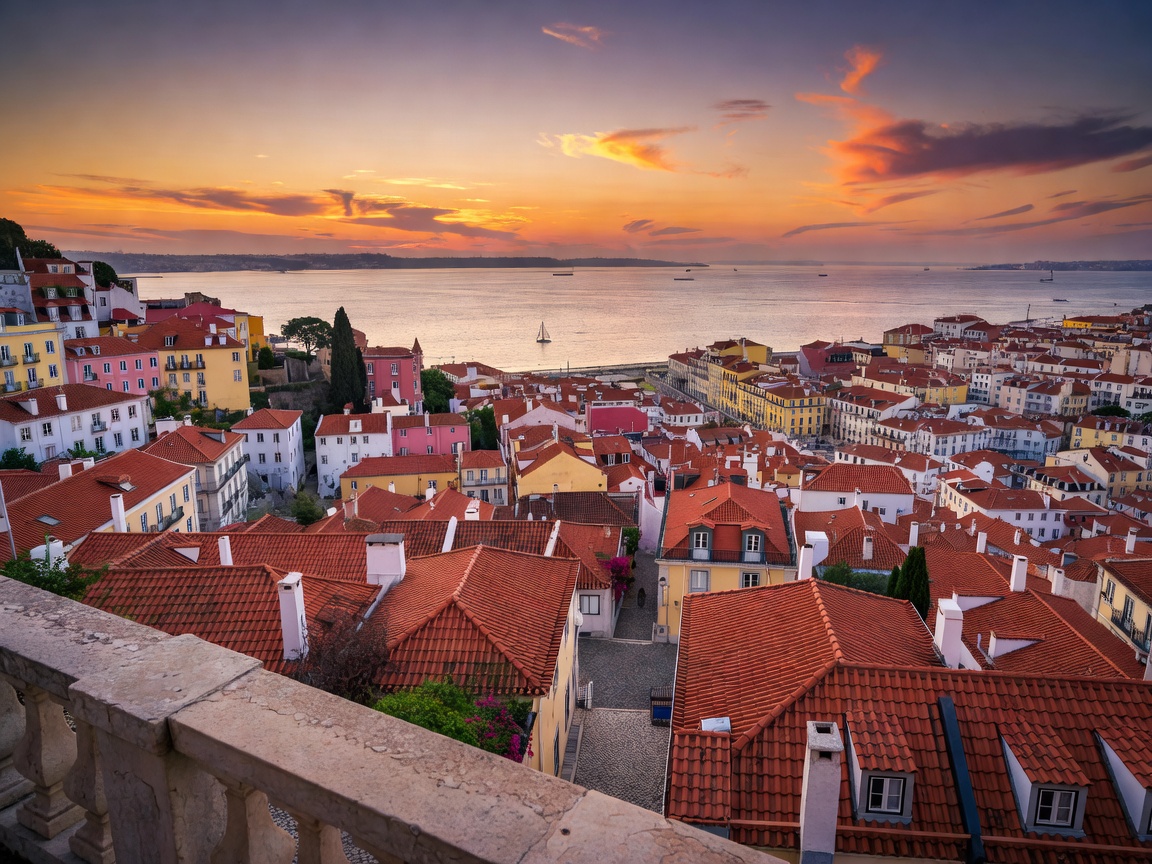
Lisbon
- quarters to walk
- 4
- signature sight
- Belém
- dinner hour
- 20:30
Lisbon is the weekend for people who like to earn their views. The city spreads over steep hills above the Tagus estuary, and the payoff for every climb is a miradouro: Senhora do Monte, Graça and São Pedro de Alcântara are the three worth timing for sunset. Tram 28 rattles through Alfama and Graça, but on a weekend it is often packed; walking the same route downhill from the Castelo de São Jorge is quicker and more rewarding.
Saturday works best split in two. Spend the morning in Belém, where the Jerónimos Monastery and the Torre de Belém sit a short walk apart and the original Pastéis de Belém bakery has been selling custard tarts since 1837. Come back along the river to the LX Factory or the Time Out Market for lunch, then give the afternoon to Alfama's alleys. On Saturday night, Bairro Alto fills its narrow streets with drinkers; for something calmer, find a small fado house in Alfama and book ahead.
Sunday morning suits the Feira da Ladra flea market (Tuesdays and Saturdays) only if you shift it to Saturday, so on Sunday choose the Gulbenkian Museum and its gardens instead. Leave time for the airport metro: it is cheap and reliable, but involves a change at Alameda or Saldanha.
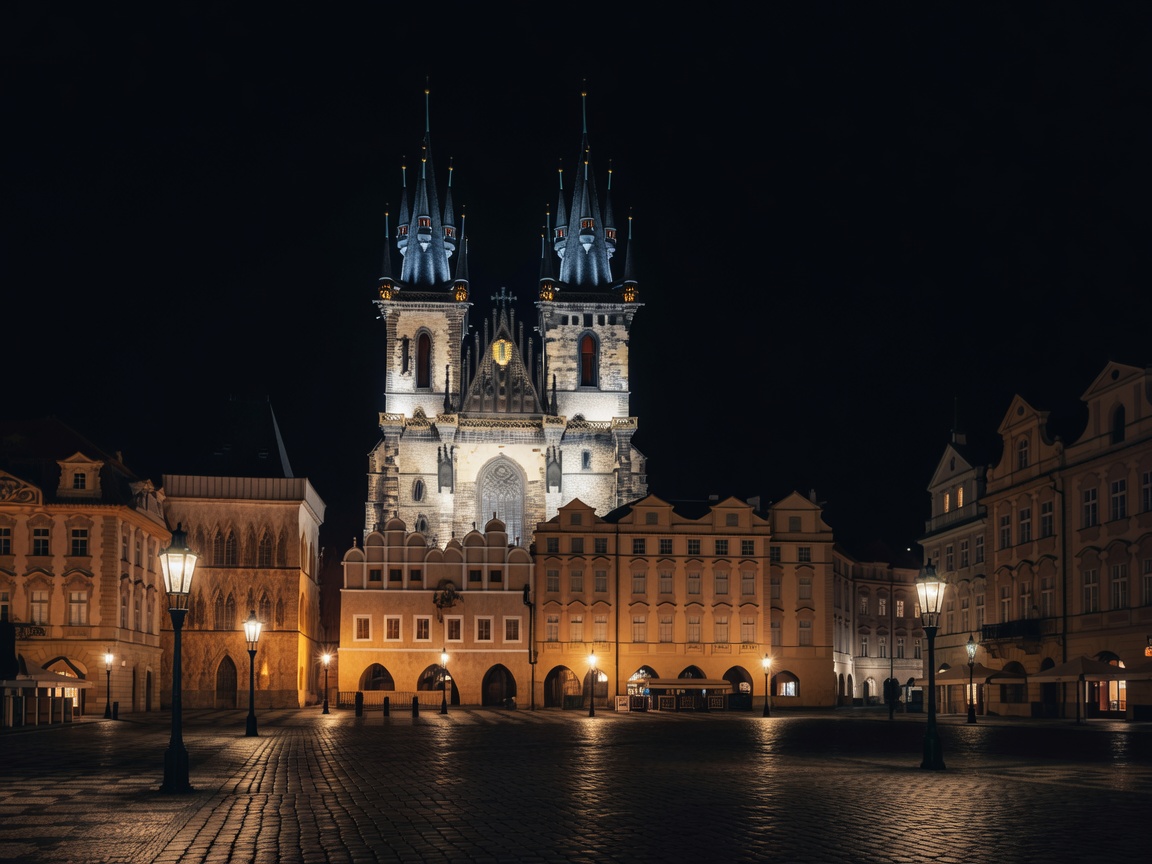
Prague
- bridges over the vltava
- Many
- signature sight
- Castle
- beer hall pint
- Pilsner
Prague rewards early risers more than any other city on file. Charles Bridge at seven on a Saturday is a stone gallery of statues with the river mist still lifting; by ten it is a crowd. Cross it first, climb the Nerudova street through Malá Strana and reach Prague Castle as the gates open. St Vitus Cathedral, the Old Royal Palace and Golden Lane are covered by one circuit ticket.
After lunch, come back down via the Wallenstein Garden and spend the afternoon in Old Town and Josefov, the former Jewish quarter, where the Old-New Synagogue has stood since the thirteenth century. The Astronomical Clock performs on the hour; watch it once and move on. In the evening, swap the tourist pubs for a beer hall in Vinohrady or Karlín, both short tram rides away and both far more local.
Sunday is for Letná Park, with its beer garden and a sweeping view over the bridges, or Vyšehrad, the quieter hilltop fortress with its cemetery where Dvořák is buried. Prague is also the best city here for arriving by rail: direct trains run from Berlin, Vienna, Munich and Budapest.
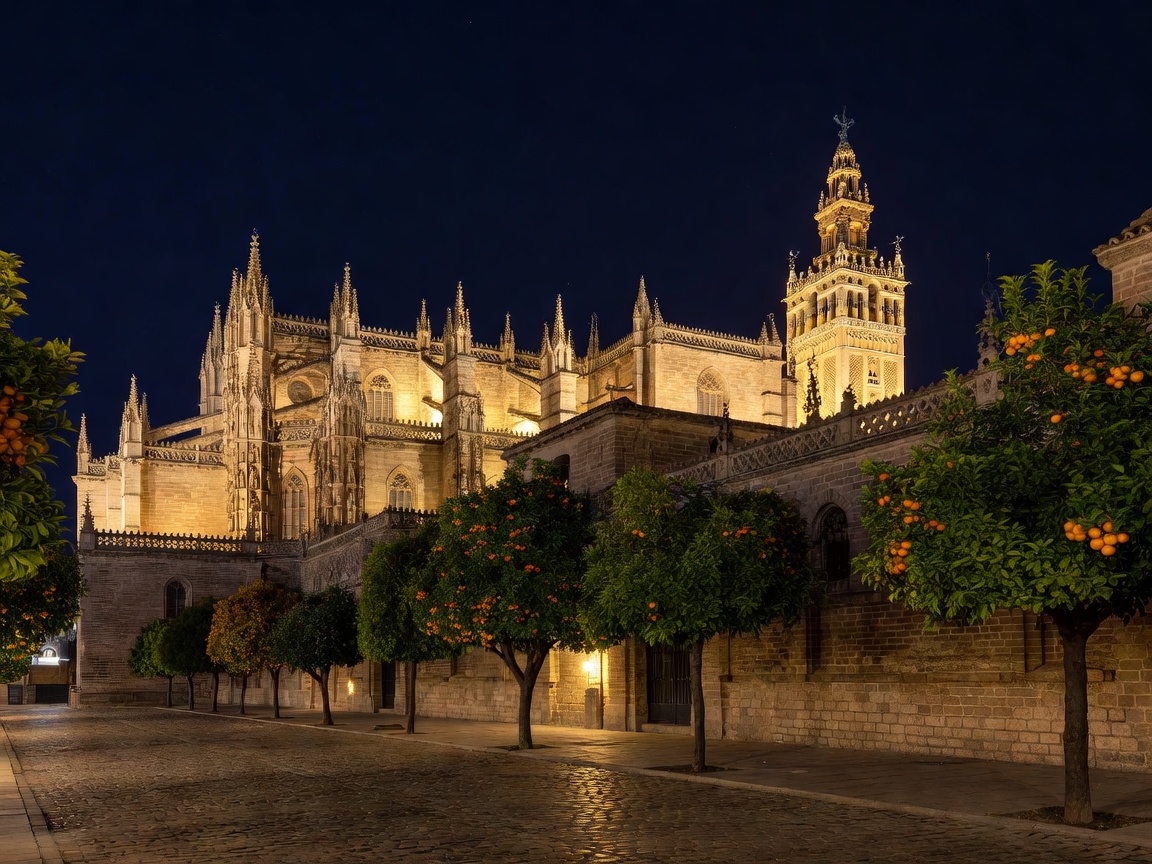
Seville
- siesta window
- 14–17h
- signature sight
- Alcázar
- dinner hour
- 21:30
Seville asks you to adjust your clock, and the weekend is better for it. Mornings belong to the big monuments: the Real Alcázar, a palace complex of Mudéjar courtyards and gardens still used by the Spanish royal family, and the Cathedral with its Giralda bell tower, climbed by ramps instead of stairs. Book timed tickets for both well before you travel.
Lunch late, around two, then rest. The city reawakens at dusk, and that is when Seville is at its finest. Walk through Barrio Santa Cruz as the lamps come on, cross the Puente de Isabel II into Triana for tapas along Calle Betis, and see a flamenco performance in a small tablao rather than a big dinner show. Plaza de España and the María Luisa Park are best in the golden hour before sunset.
On Sunday, the Setas de Sevilla (Metropol Parasol) offers a rooftop walkway over the old town, and the Mercado de Triana is good for breakfast. Seville's airport bus runs to the centre in about 35 minutes; the AVE high-speed train links the city to Madrid in roughly two and a half hours.
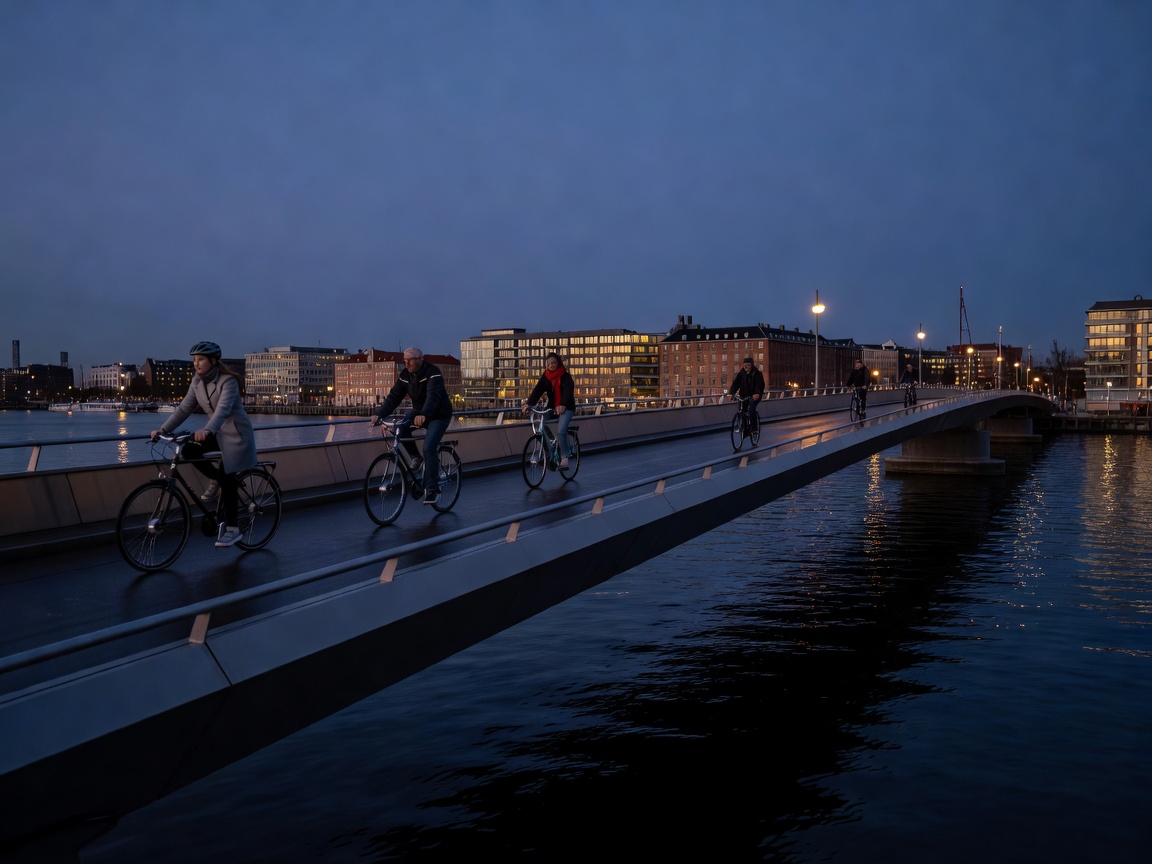
Copenhagen
- airport metro
- ~15 min
- signature sight
- Harbour
- best transport
- Bicycle
Copenhagen is the calmest weekend in the dossier and the most expensive. It makes up for the prices with a short transfer, flat streets and a harbour you can swim in during summer. Rent a bike on Saturday morning; dedicated lanes make it the natural way to move.
Start at Nyhavn before the crowds, ride past Amalienborg Palace to the Little Mermaid if you must, then loop to Christianshavn and the spiral spire of the Church of Our Saviour. Lunch at a street-food hall, spend the afternoon at the Designmuseum or Rosenborg Castle with the crown jewels, and finish in Vesterbro's Meatpacking District for dinner. Tivoli Gardens, open seasonally, is most atmospheric after dark.
Sunday can hold a harbour bath at Islands Brygge or a sauna on Refshaleøen, or a short train ride north to the Louisiana Museum of Modern Art in Humlebæk if your flight is late. Pastries are a serious matter here: a cardamom bun from a neighbourhood bakery is the right way to say goodbye.
Bologna
- porticoes
- ~40 km
- signature sight
- Quadrilatero
- to florence by train
- ~37 min
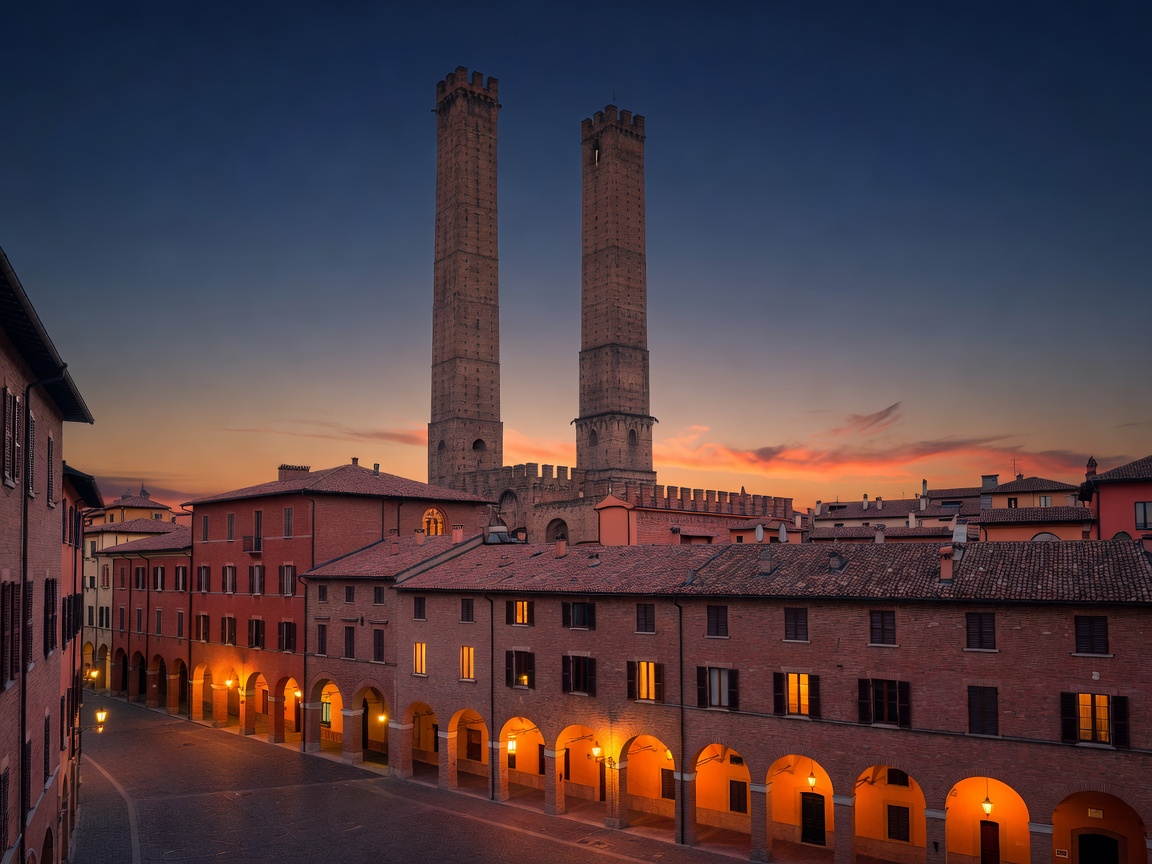
Bologna is the weekend you plan around meals. The capital of Emilia-Romagna gave the world tortellini, mortadella and the sauce the rest of the world calls bolognese, and its old centre is wrapped in roughly forty kilometres of porticoes, inscribed on the UNESCO World Heritage List in 2021. Rain does not ruin a weekend here.
Begin Saturday in Piazza Maggiore beside the unfinished Basilica di San Petronio, then wander the Quadrilatero, the medieval market lanes full of delicatessens. The Asinelli tower has been closed to climbers while the leaning Garisenda is stabilised, so check the current status before you go. In the afternoon, visit the Archiginnasio and its anatomical theatre, then walk the Santo Stefano complex of seven churches.
On Sunday, the portico of San Luca climbs nearly four kilometres to a hilltop sanctuary, the longest covered walkway in the world, and the view repays the effort. The Marconi Express monorail connects the airport and the central station in about seven minutes, and high-speed trains reach Milan in about an hour.